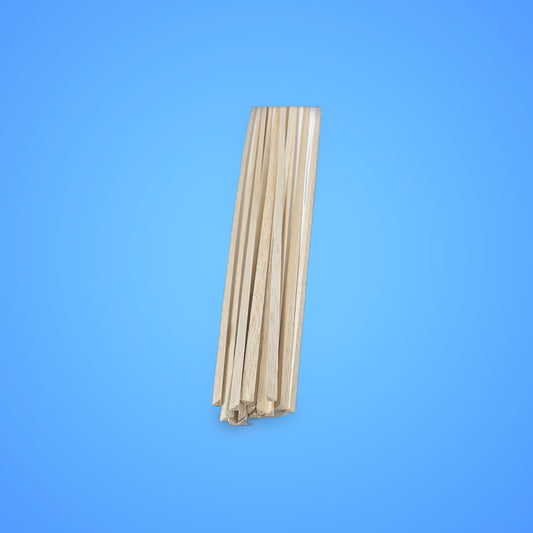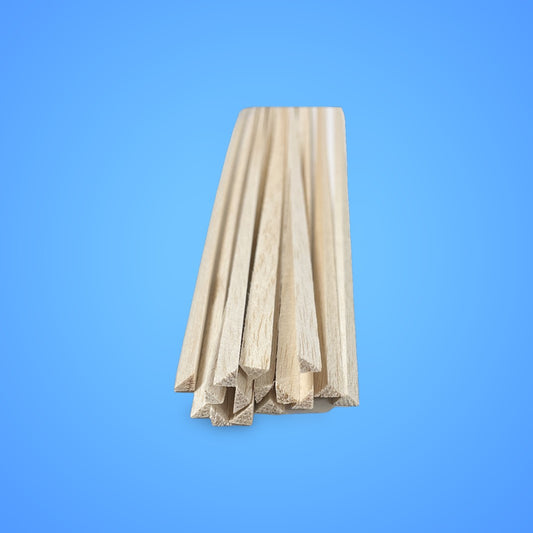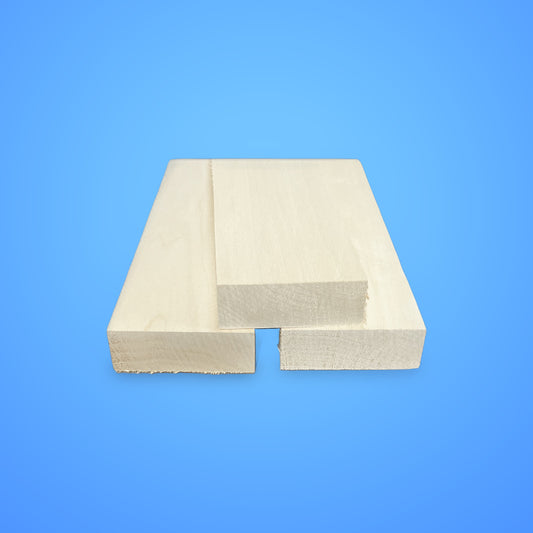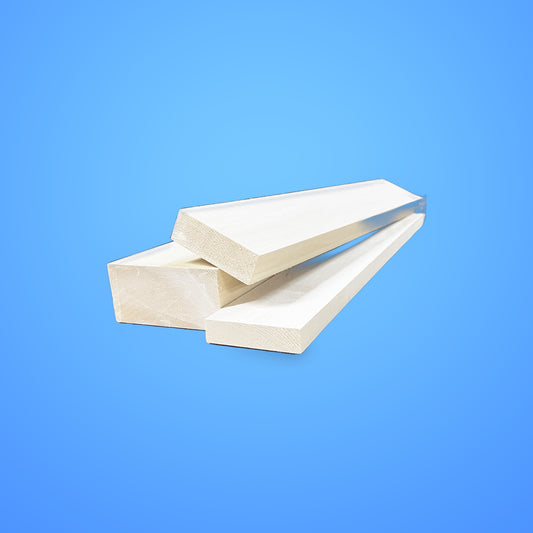
$119.99 - 3" Wide Balsa Wood Sheet - Bundle Pack
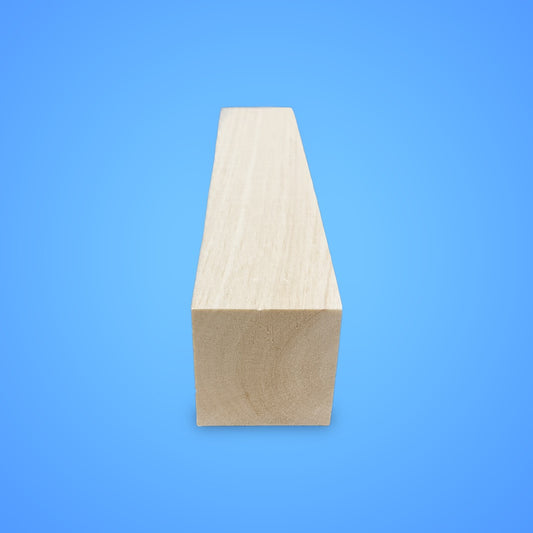
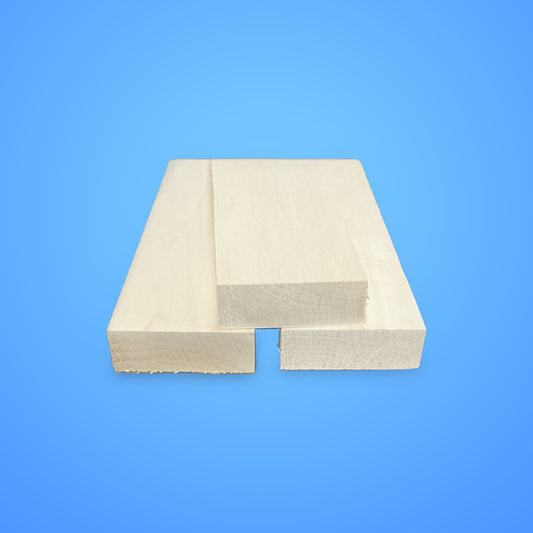
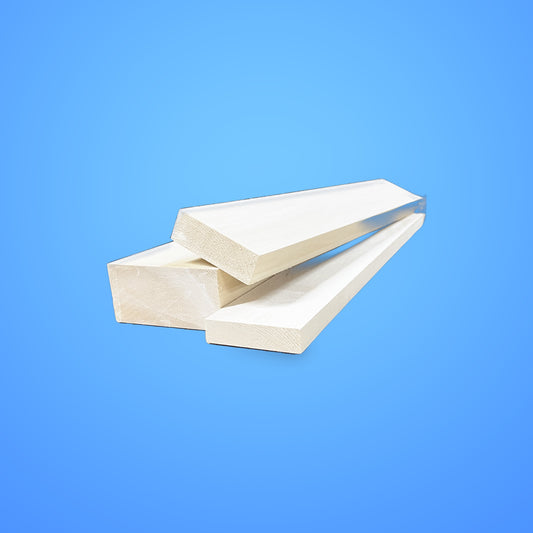
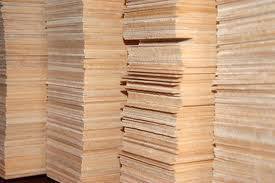
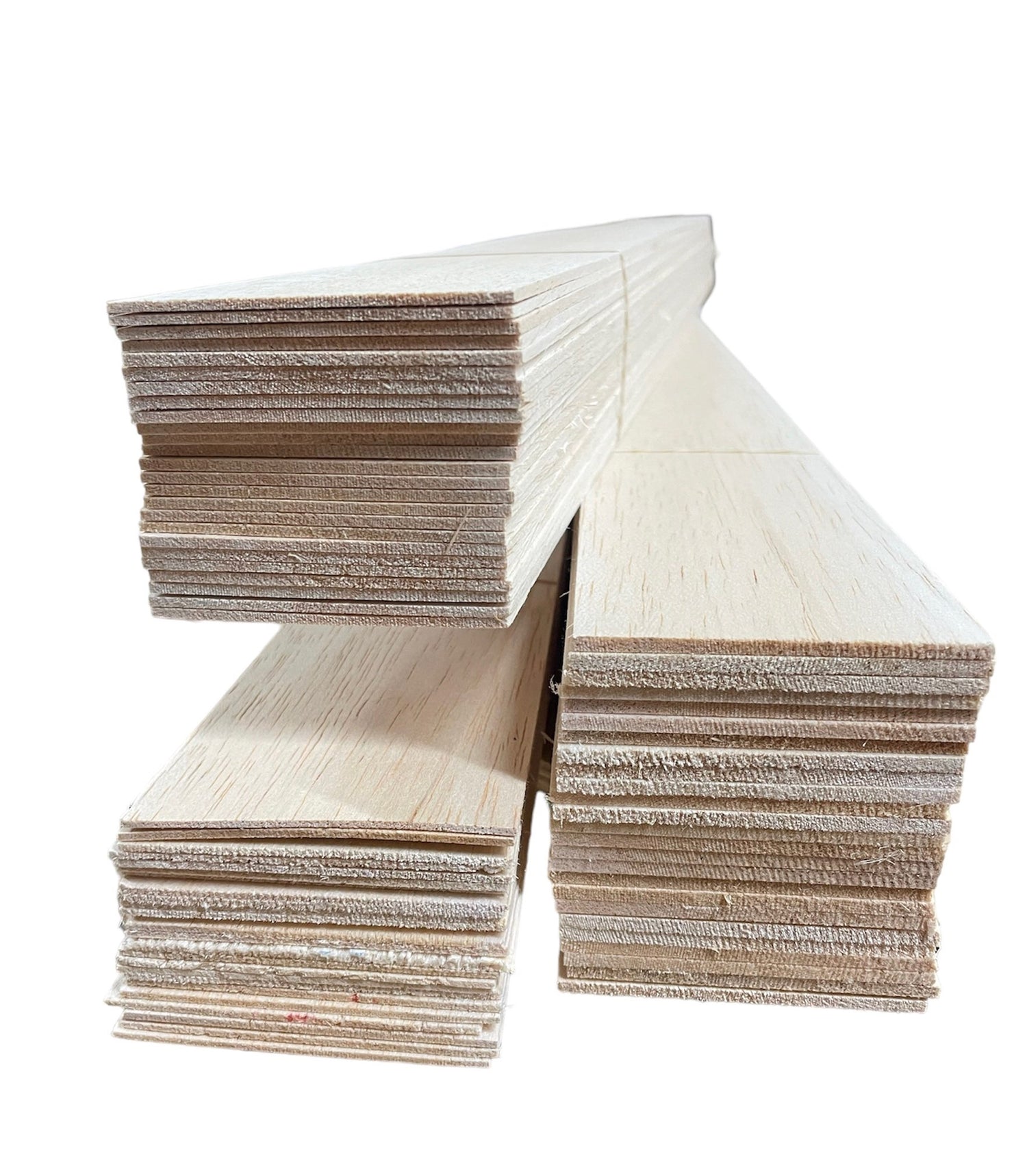
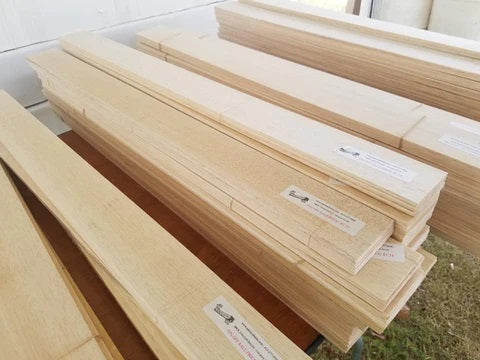
3" Wide Balsa Wood Sheet - Bundle Pack
This bundle pack includes model grade Balsa Wood Sheets in the following sizes:
- 25 - 1/8 x 3 x 36 Balsa Wood Sheets
- 25 - 1/16 x 3 x 36 Balsa Wood Sheets
- 25 - 3/32 x 3 x 36 Balsa Wood Sheets
Available while supplies l
Micro Fasteners - Master Kit Boxes
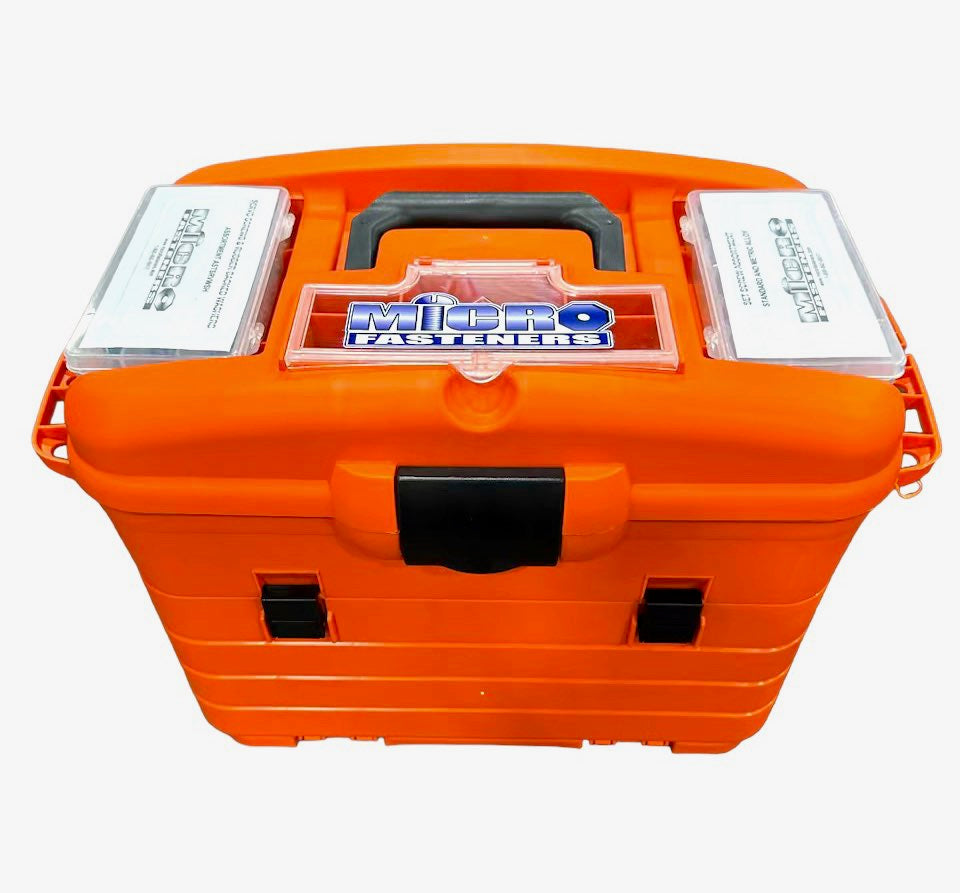
Micro Fasteners - Master Kit Boxes
National Balsa has been able to secure a very limited supply of the very sought after Micro Fasteners Master Kit Box!
OVER 3,000 FASTENERS ARE INCLUDED!!
Price: $425.00
Use discount code MASTERKIT at checkout to get special pricing of $395!
There is a very limited supply!
Quality is always our #1 goal & our Customers Agree!
Let customers speak for us
I received a small order of Balsa 2 weeks ago. It was packed with care and was all under 5 LB wood. I would consider this a success and can be viewed on my YouTube channel the un Boxing and Weighing of National Balsawood. Link here #stunthangar https://www.youtube.com/watch?v=7_R4fjPVBvc


I coach Science Olympiad and we use this company for all our balsa needs! They are the best and it gets to you fast!

If you’re in the need for some quality fiberglass cloth, National Balsa has you covered! Pun intended. Seriously, this is some awesome stuff.
I've been building RC model aircraft for over 40 years. My, times have changed. I'll probably always be a builder, so when it came to building my next project, Mr. Mulligan got my juices going, in fact it was one of the first airplanes I discovered when I was just 12. Now I get to build my own. And NATIONAL BALSA hit a home run in putting this full kit together. Laser cutting is super clean in very good quality materials. Balsa sheets are beautiful, and the bundles of balsa and basswood sticks are straight and true to sizes. It came with a pick list, and after going through everything I discovered that NATIONAL BALSA gave me many extra pieces as well. I can't say enough good about their quality. After I build my Mr. Mulligan, I know where I'm buying my next aircraft, NATIONAL BALSA, GREAT JOB!!!!

Micro Fasteners are by far the very best quality customer service is unbeatable and the owner will make everything correct I've been buying from Micro Fasteners for years and would not go anywhere else. Kathy takes care of her customers.
Rick


National Balsa Wood Co. selling balsa wood, basswood, plywood, cherry, walnut, maple and mahogany. We have been proudly serving the needs of Model Makers, Manufacturer's, Architects and Students for over 20 years. Our state of the art facilities combined with our volume buying power directly from the plantation's, allow us to pass on incredible savings. We carry a wide variety of sizes including balsa and basswood sheets up to 12" widths, perfect for architectural and modeling needs. We invite you to browse our secure online store.
Shop Now!
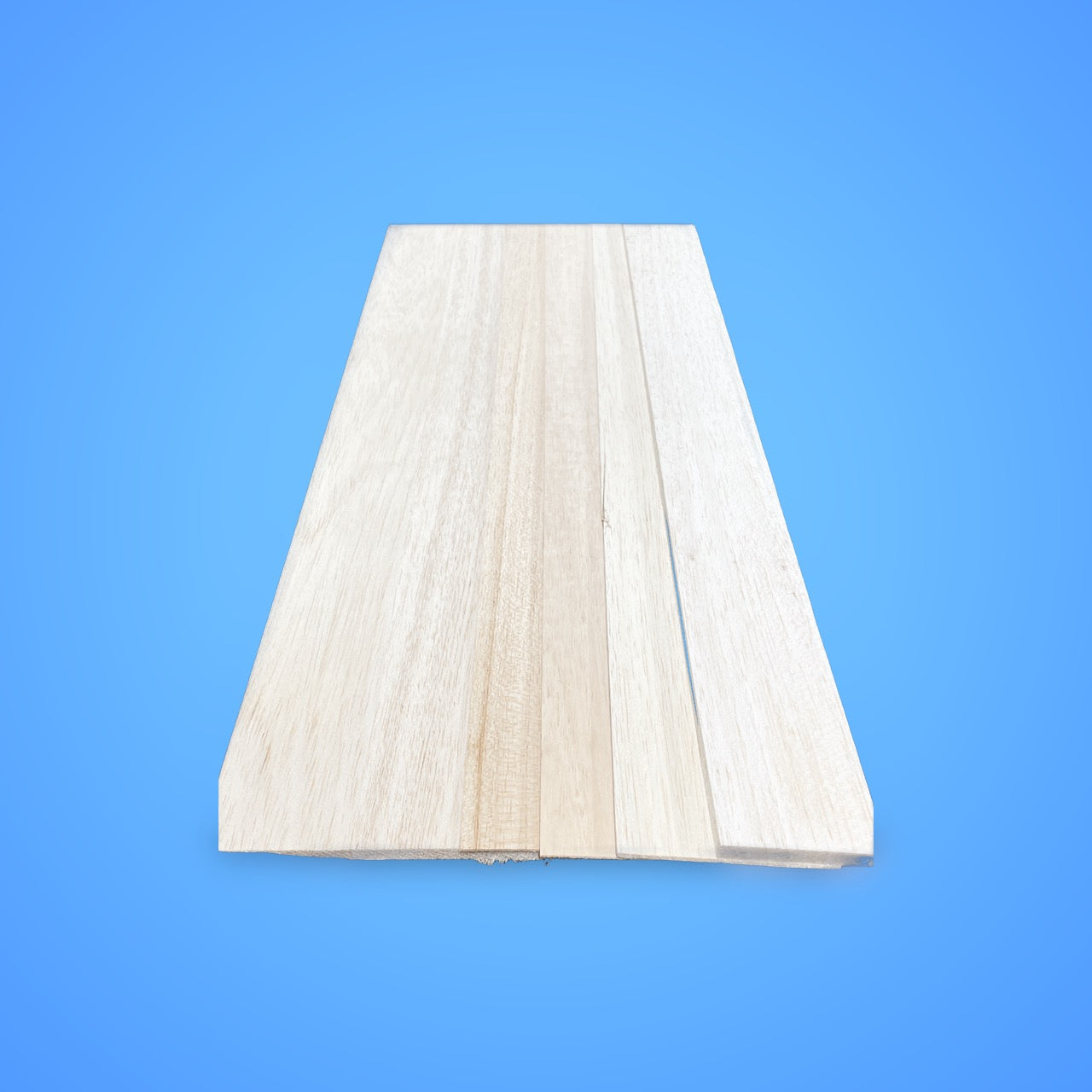
Need under 7lb Balsa? We have it!
Our Aero Light Balsa (Contest Balsa) Wood Sheets are soft, extremely light weight (4 -7 lbs per cubic ft) model grade quality wood.
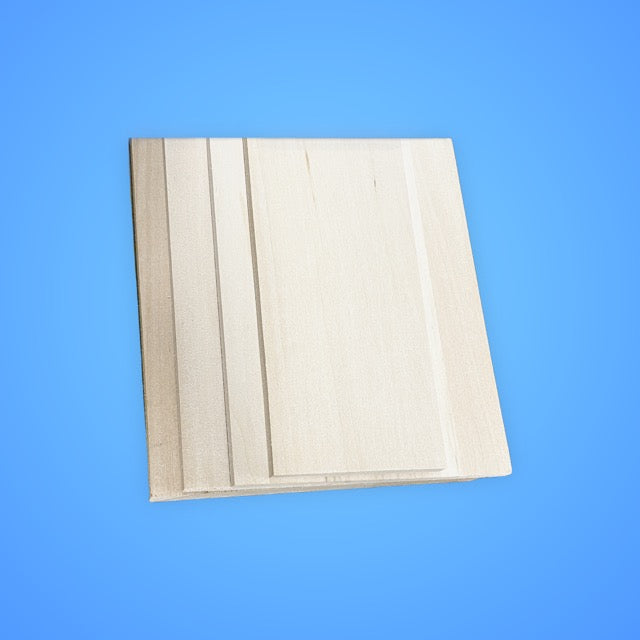
Need Wide balsa or basswood sheets? We have it!
We offer Balsa & Basswood up to 12" wide!
Need Dragster Blanks?? We got them!
These blanks are predrilled with 2" deep holes perfect for your co2 cartridge. They are cut from lighter weight balsa wood and are excellent for competition.
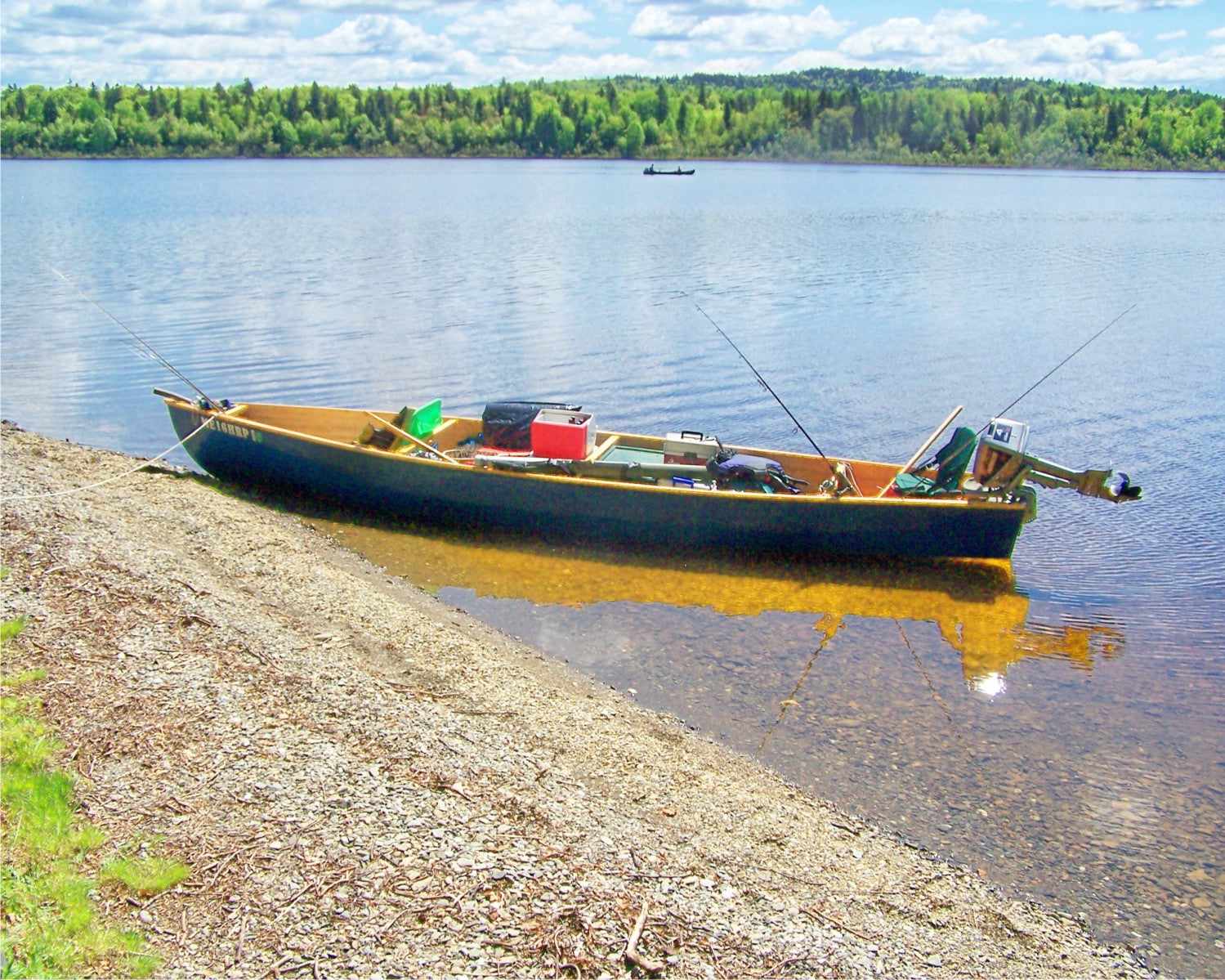
Just thought I'd send you a picture of the canoe I built with 1/4x3/4x48 balsa strips from your shop. It's 20 feet long, 4 feet wide, weighs about 100 lbs and survived its first outing on the lakes of the Allagash waterway.
Clark Dixmont, Maine
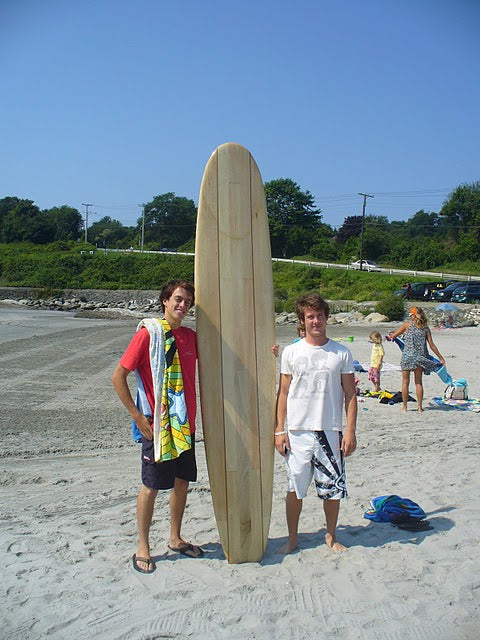
Hello National Balsa,
Two summers ago my friend Ben and I bought balsa from you to make a surfboard.I thought you would appreciate the photographs I took of the process and final product.Let me know if you would like to use any of them. The surfboard rides great, thanks for the quality balsa!
All the best,
Sebastian
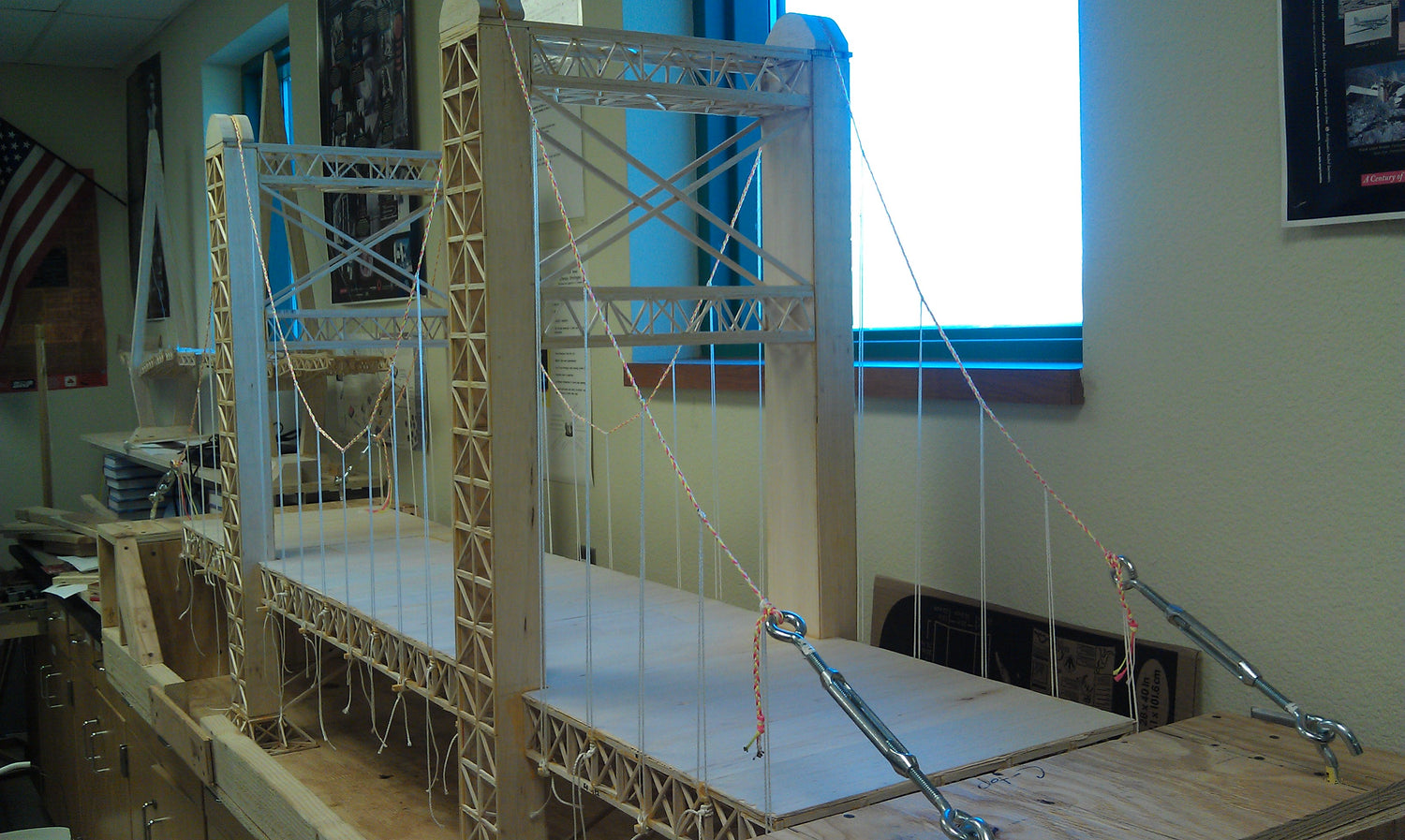
"My engineering class (high school seniors) created a suspension bridge from balsa you supplied last year. It took my entire class of 18 students about 4 months to build. In the end, a 50lb cart drove across the full length of the bridge and I stood in the middle of the span with a total load of 200lbs on the road deck. The bridge itself is 2m long and 40 cm wide with a tower height of about 1m."
Hamilton High school AZ.
Featured products
-
.56 oz Plain Weave Fiberglass Cloth - 44" 10 yards
Regular price $59.99 USDRegular priceUnit price per$83.99 USDSale price $59.99 USDSold out -
.73 oz Plain Weave Fiberglass Cloth - 44" 10 yards
Regular price $59.99 USDRegular priceUnit price per$83.99 USDSale price $59.99 USDSale -
1 oz Plain Weave Fiberglass Cloth - 38" 10 yards
Regular price $49.99 USDRegular priceUnit price per$69.99 USDSale price $49.99 USDSale -
1 x 1 x 24 Balsa Wood Plank
Regular price $3.16 USDRegular priceUnit price per$4.42 USDSale price $3.16 USDSale -
1 x 1 x 24 Basswood Plank
Regular price $2.88 USDRegular priceUnit price per$4.04 USDSale price $2.88 USDSale -
1 x 1 x 36 Balsa Wood Plank
Regular price $5.10 USDRegular priceUnit price per$7.15 USDSale price $5.10 USDSale -
1 x 1 x 36 Balsa Wood Triangle
Regular price $3.89 USDRegular priceUnit price per$5.46 USDSale price $3.89 USDSale -
1 x 1 x 36 Basswood Plank
Regular price $4.03 USDRegular priceUnit price per$5.63 USDSale price $4.03 USDSale